
Why I Work with 35mm Film
There is a particular kind of patience involved in working with 35mm film.
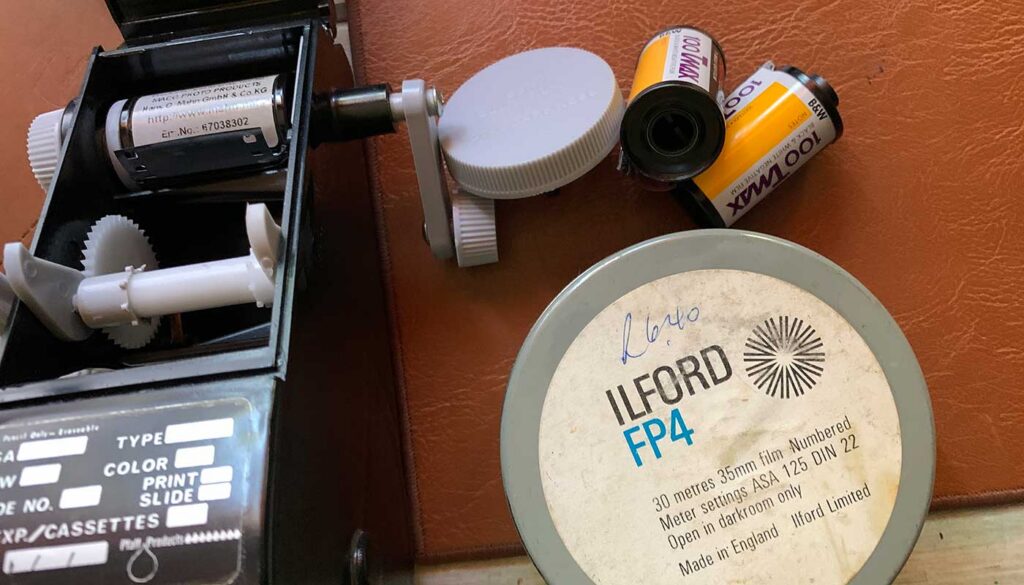
The process begins before the shutter is released and continues long after the photograph has been made. A frame is exposed, the roll advances, and the moment disappears into a sequence of images that cannot be reviewed immediately.
For me, this delay has become an important part of the photographic process.
Working with film encourages a different relationship with observation. Without the immediate reassurance of a screen, I have to make decisions about what deserves attention. I consider the relationship between subject and background, the quality of light, the arrangement of forms and the significance of the moment before committing to an exposure.

The photograph becomes an act of selection.
This does not mean that analogue photography automatically produces more thoughtful images than digital photography. Both can support rigorous research and both can encourage superficial observation. What interests me is the particular discipline created by the material and temporal conditions of working with film.
The interval between exposure and viewing introduces uncertainty. I cannot immediately correct a composition or determine whether a frame has worked. I must accept that the image will reveal itself later, after development and scanning or printing.
That interval changes how I experience the photograph.
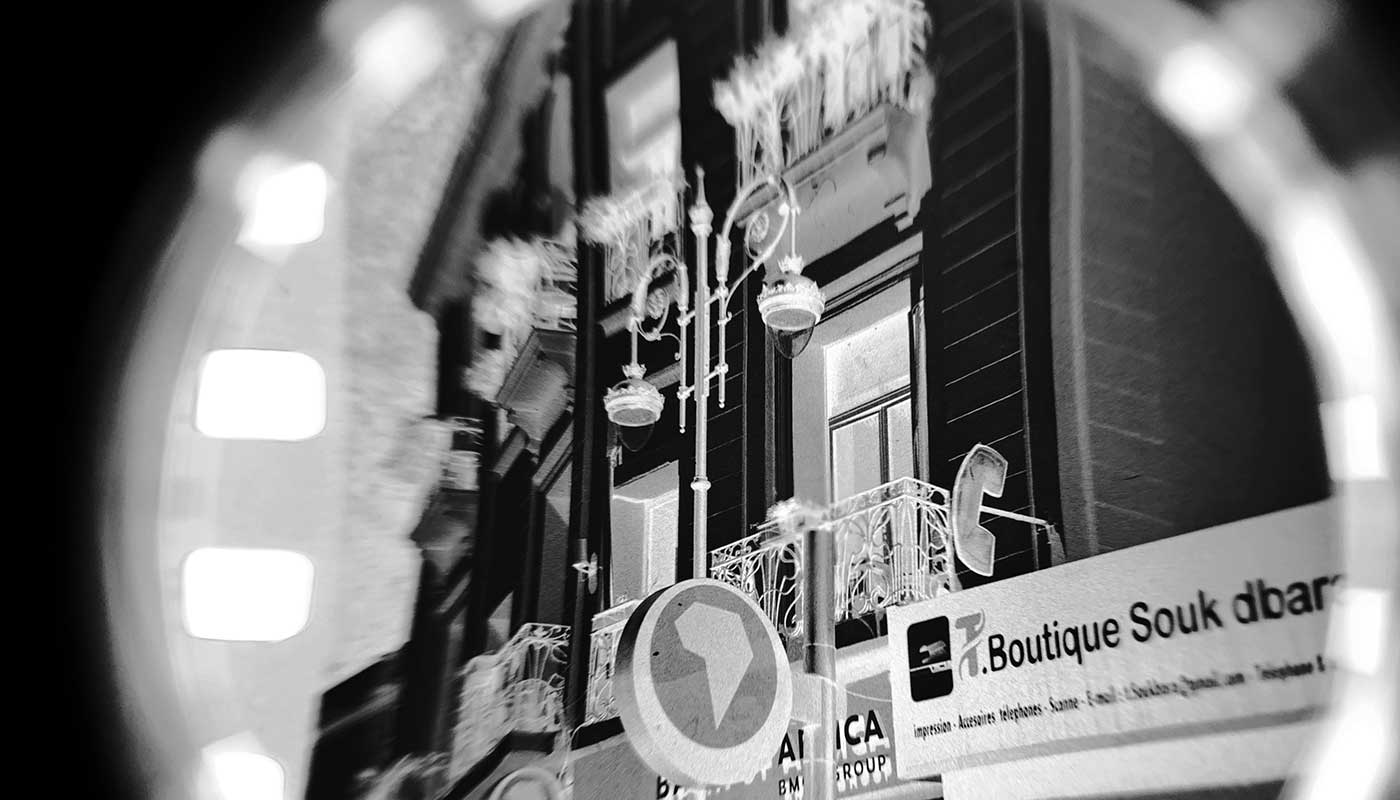
My 35mm photography in places such as Prague and Morocco forms part of a wider investigation into how images can contribute to research and storytelling. I am interested not only in what the camera records, but also in what the process asks of the photographer.
What do I choose to photograph? What do I overlook? How does my position in a particular place influence what becomes visible?
Film does not answer these questions. It makes them harder to ignore.
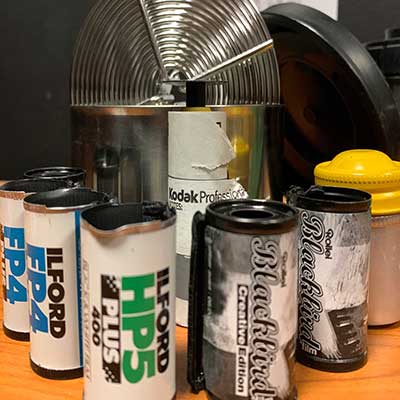
The material characteristics of the photographic process also matter. Grain, contrast, tonal variation and the physical history of a negative contribute to the appearance of an image. When I work with historical photographic printing processes, this relationship between image and material becomes even more pronounced.
A photograph is not simply information transferred from the world to a screen. It is the result of a series of decisions, materials and processes.
I am increasingly interested in photography as a practice of sustained attention. It offers a way to return to a place, examine a detail and consider how an initial observation changes when viewed again.
The resulting image may be documentary, but its significance develops through reflection.
For me, working with film is not primarily about nostalgia. It is about creating the conditions to look carefully, accept uncertainty and allow meaning to emerge over time.

