
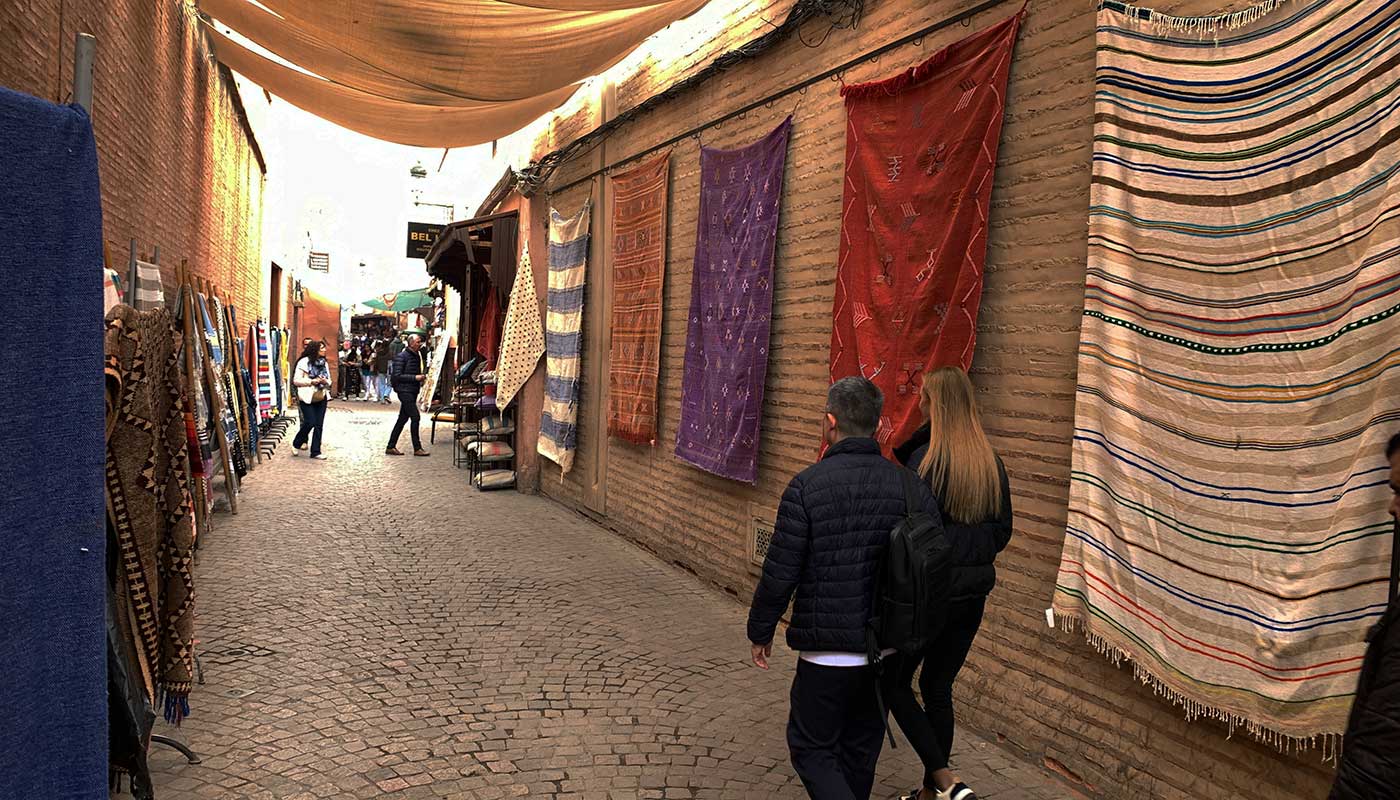
A symbol invites us to look more closely, but it does not always offer an immediate explanation.
In visual research, the temptation is often to identify a shape, attach a meaning to it and move on. A diamond might be described as protection, a line as a boundary or a repeated form as a representation of a particular belief.
Sometimes such interpretations are supported by documented cultural knowledge. At other times, they are inherited from secondary sources, repeated without context or inferred from the appearance of the image itself.
The distinction is important.
My research into Amazigh material culture has encouraged me to think carefully about the relationship between symbols and the knowledge through which they are interpreted.
A motif is not simply an isolated shape. Its significance may depend on where it appears, how it is constructed, who makes it, how it is used and what knowledge accompanies its transmission.
Even when a motif is visually recognisable across different objects or regions, its meaning should not automatically be assumed to remain constant.
This presents a methodological challenge for visual communication research.
How do we analyse a symbol without claiming more than the available evidence allows?
I begin with the visible form. I document its structure, proportions, repetition and relationship to surrounding elements. I consider how it is positioned within the larger composition and whether comparable forms appear elsewhere in the material being studied.
These observations establish a basis for comparison, but they do not independently prove cultural meaning.
Interpretation requires additional evidence. Depending on the research context, this may include published scholarship, documented provenance, archival records or knowledge shared by practitioners and cultural knowledge holders.
Where such evidence is unavailable, uncertainty should remain visible in the research rather than being replaced by speculation.
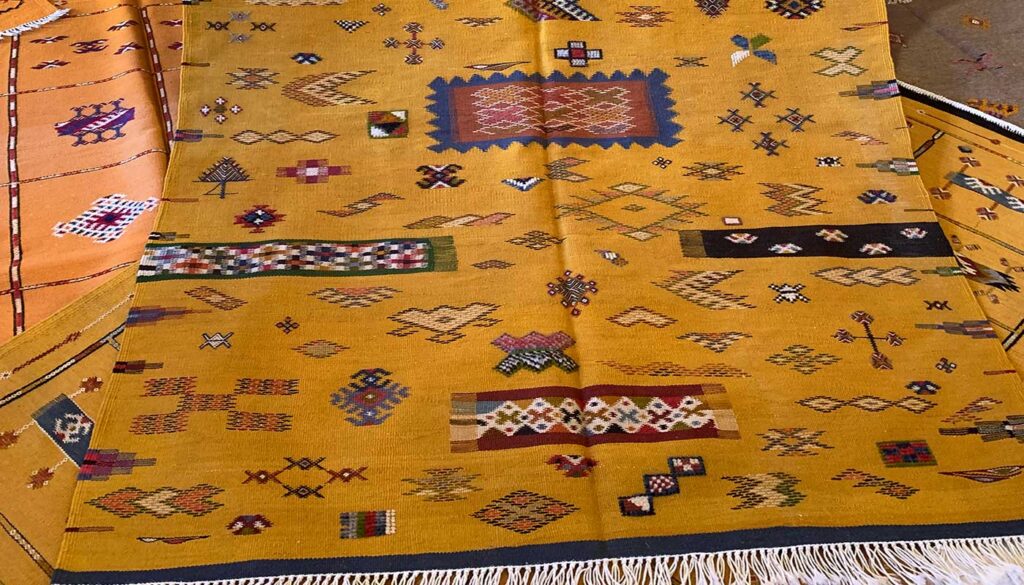
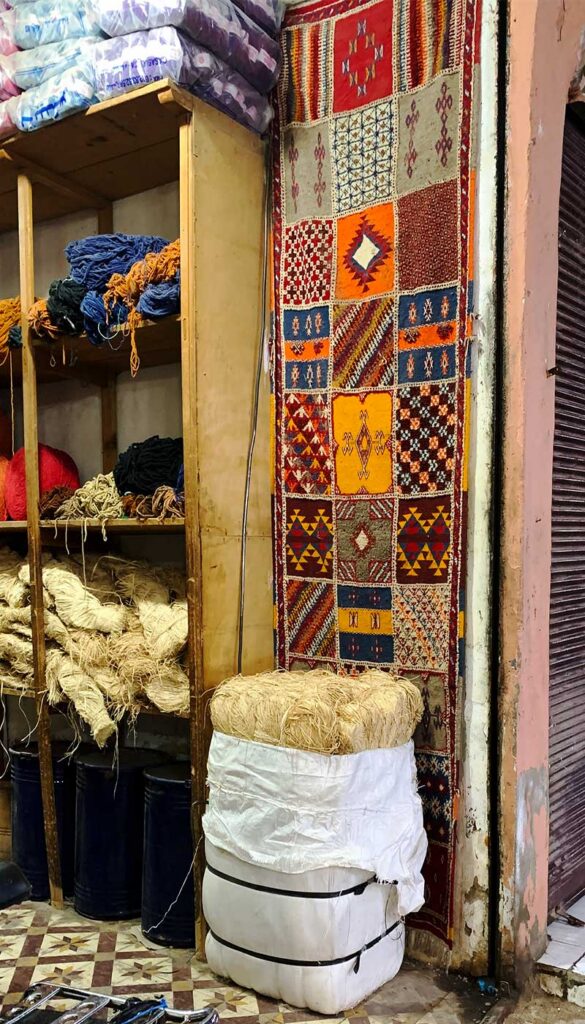

This approach also changes the way I think about the relationship between pattern and meaning.
A textile is not a dictionary in which every form has one stable definition. It is a material object created within particular social, historical and cultural circumstances. Its visual language may contain shared conventions, individual decisions and meanings that are not accessible to every observer.
The researcher therefore has a responsibility to distinguish observation from interpretation.
Photography can support this process by recording the whole object, its details and the relationships between different elements. Written notes can preserve contextual information and identify the sources supporting an interpretation.
Together, these records can make the process of analysis more transparent.
I am interested in what happens when we slow down and resist the impulse to explain everything immediately. The result is not a weaker interpretation. It is a more accountable one.
Sometimes the most important research decision is knowing the difference between what we can see, what we can support with evidence and what we still do not know.

