
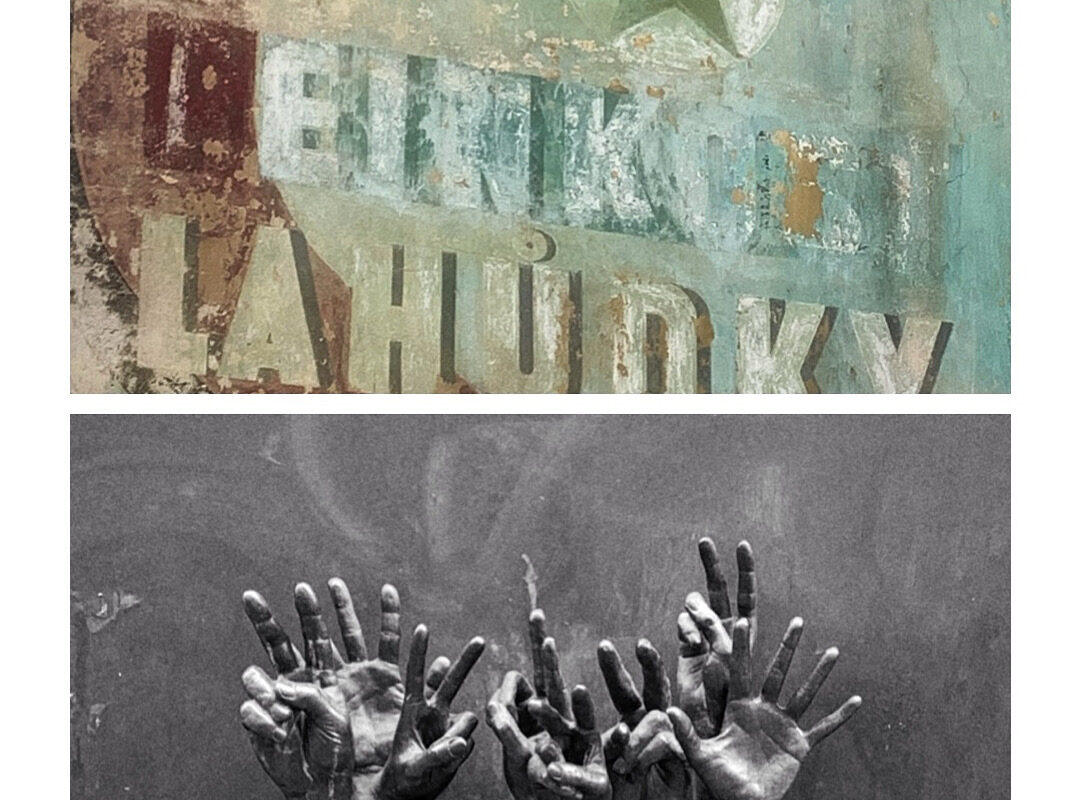
How do we write meaning onto surfaces?
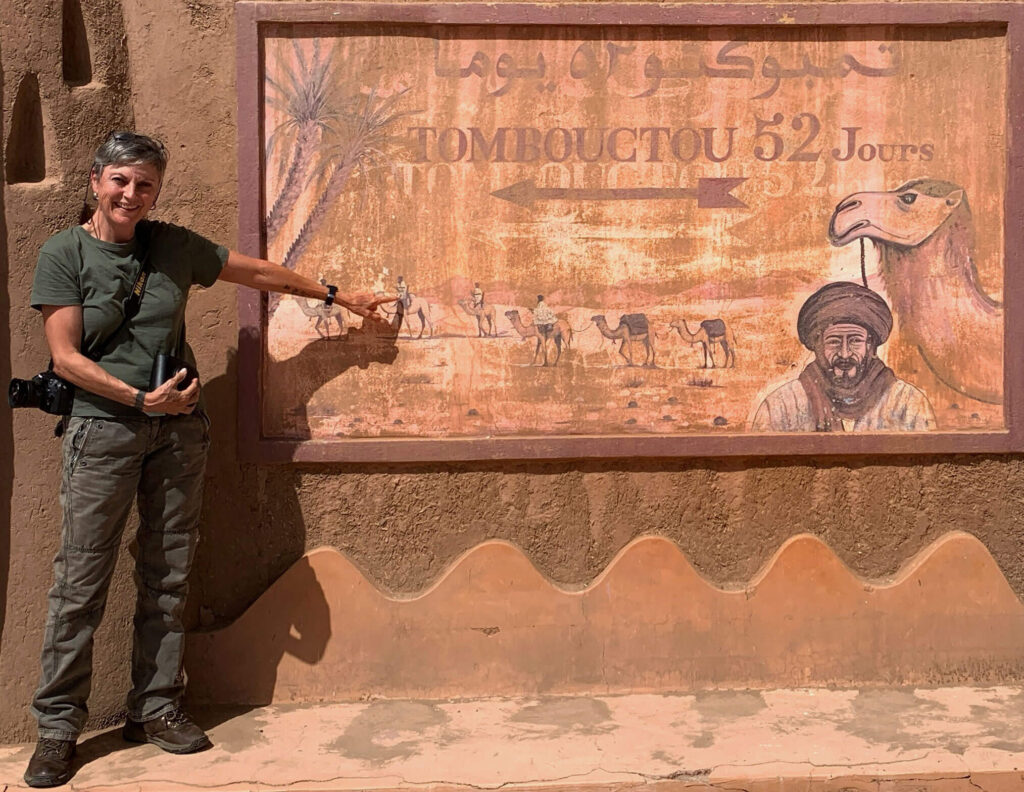
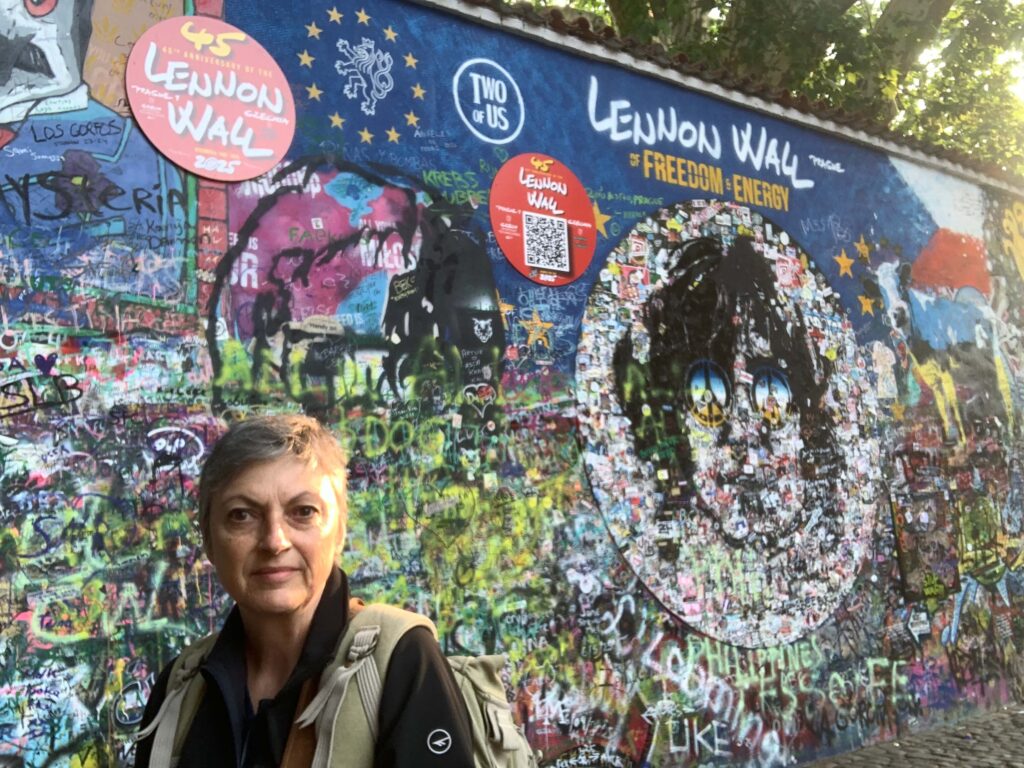
Morocco , woven symbols in textiles and tattoos. Prague , graffiti, walls, and political memory.

This is where my research begins.
My research is not rooted in a particular theory or discipline; instead, it stems from a recurring question that arises in various contexts: How do humans assign meaning to surfaces or materials, and how do these surfaces or materials preserve, alter, or erase that meaning over time? My work bridges two seemingly unrelated fields that, upon closer inspection, reveal their interconnectedness. In Morocco, meaning is intricately woven into textiles and etched onto skin. The Amazigh textile traditions, especially carpets from regions such as Taznakht, embody structured symbolic systems. Geometric shapes function not just as decoration but as encoded relationships symbolising protection, fertility, identity, direction, and memory. These symbols are not isolated; they are perpetuated through repetition, variation, and transmission across generations, crafted through touch, labour, and time.
In Prague, meaning appears on walls.
Graffiti acts as a vibrant archive of political memory and public expression. In places like the Lennon Wall, layers of writings accumulate, disappear, and reemerge. During Czechoslovakia’s communist period, these walls carried coded messages of defiance. After the Velvet Revolution in 1989, marking the transition from communism to democracy, these surfaces transformed into open forums for expression, remaining dynamic, contested, and lively. One system finds meaning in continuity, while the other in transformation. Yet, both are involved in the act of writing.
[feed_them_social cpt_id=893]

