
There is a unique kind of patience required for 35 mm photography. It begins long before you press the shutter and continues long after you finish the roll. Unlike the instant gratification of digital photography, 35 mm film requires you to work with time, light, and a bit of uncertainty. Each frame is precious, with thirty-six chances, each significant.
Negatives
What draws me back to 35 mm film is not nostalgia; it’s more about resisting certain trends. It is about pushing back against excess, against the tendency to overproduce, and against the notion that every single moment needs to be captured. Films force you to make choices. It asks: What truly deserves to be remembered?
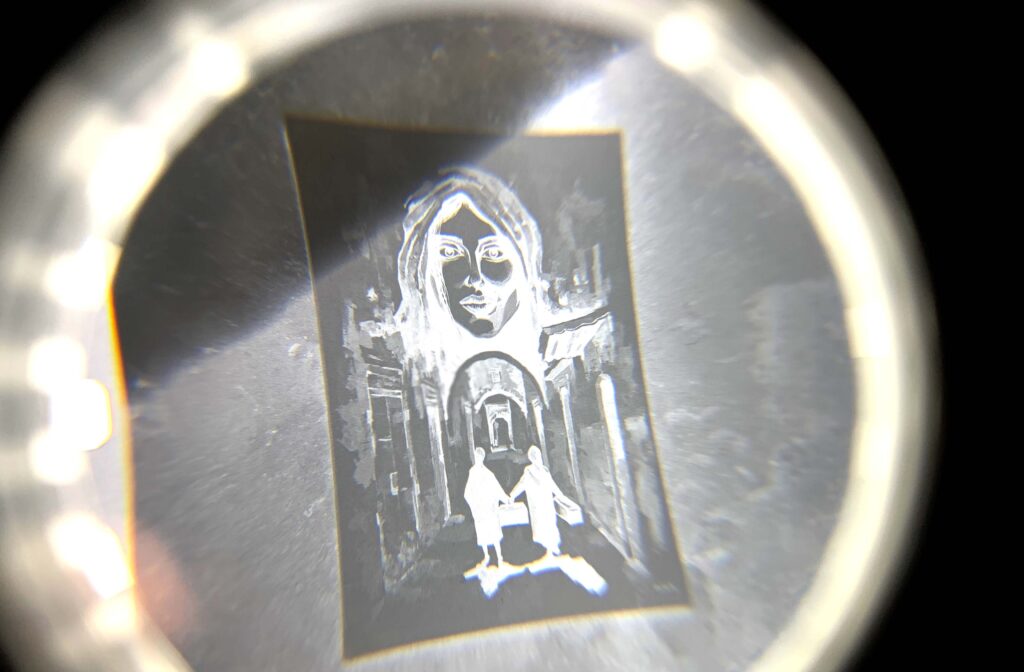
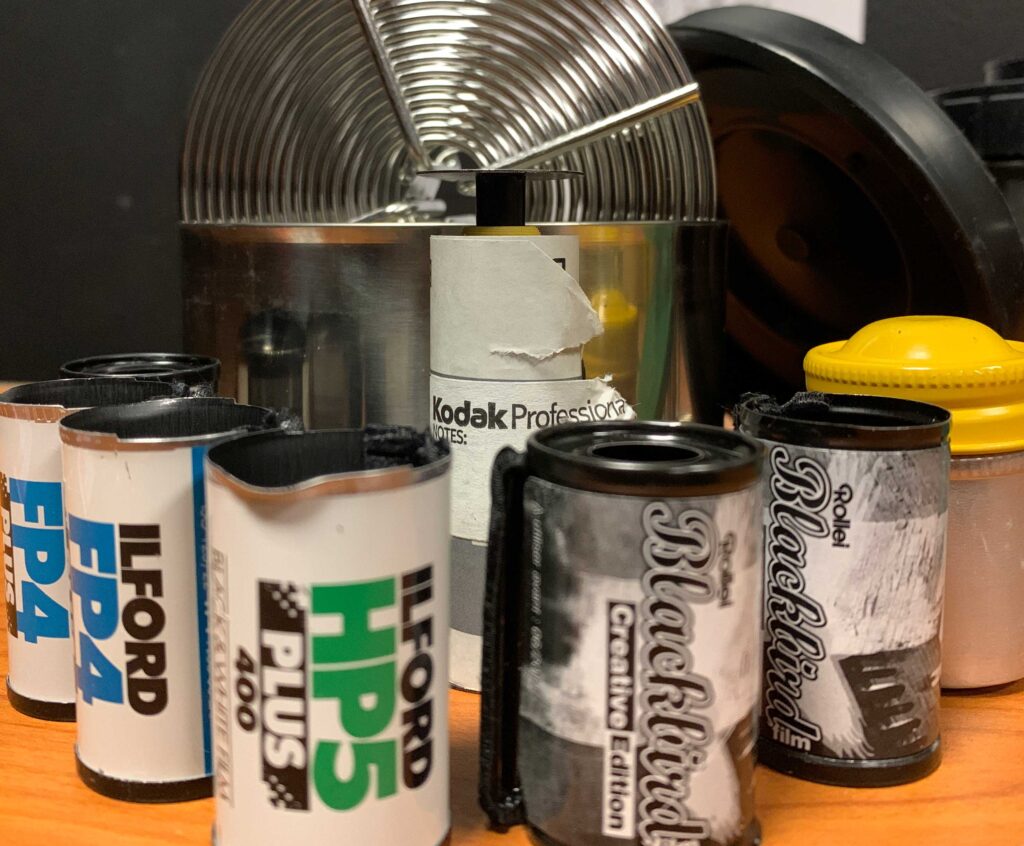
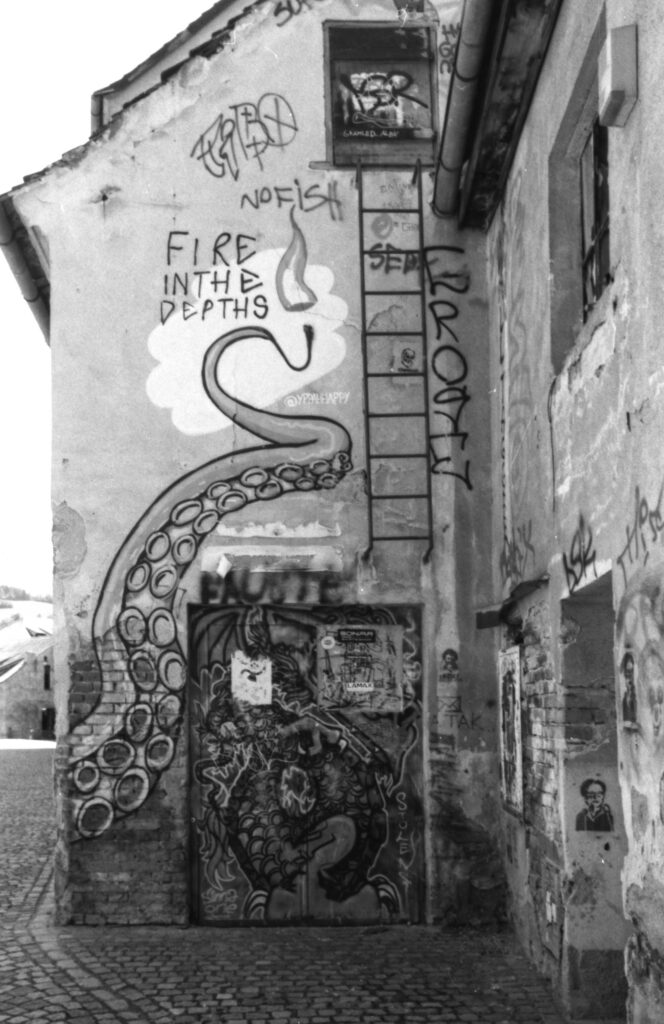
The grain structure of the film is like a unique language. It is not just random noise; it is a texture, a kind of archive stored in silver halide crystals. When I am working in the field or capturing scenes in challenging places like the Kalahari or the urban landscapes of Prague, the grain feels more emotional than technical. It conveys atmosphere, distance, heat, and dust.
Using 35 mm film introduces a kind of thoughtful patience.
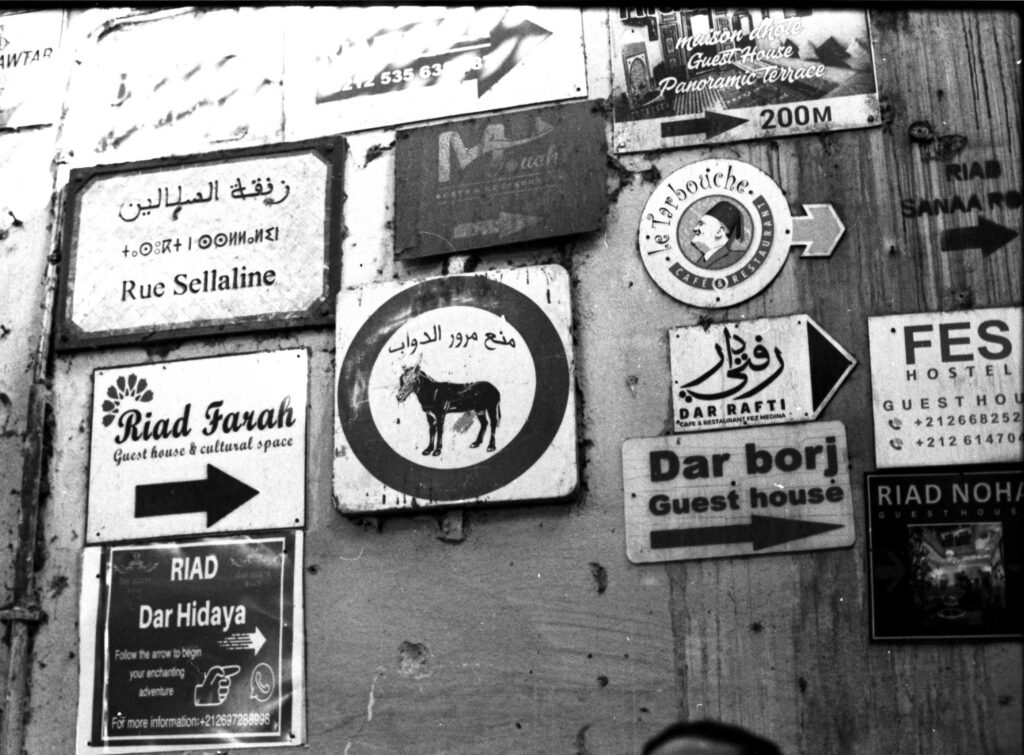
Unlike digital photography, the results of your work are not immediately visible. Instead, you have to wait, and this waiting period allows you to reflect rather than react. It is during this time that the image begins to take shape in your mind, well before it actually appears on the film.
In our fast-paced world, where images are consumed instantly, using 35 mm film encourages us to slow down and pay attention. It is not just about seeing; it is about taking the time to look deeply and let the meaning reveal itself.
