
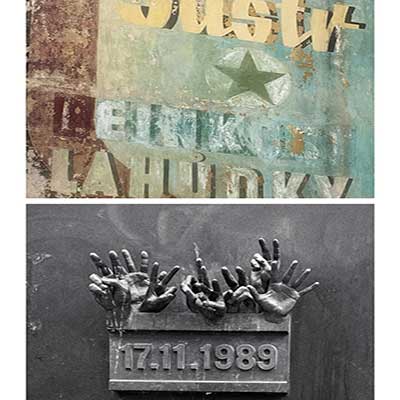
How do we write meaning onto surfaces?
A woven textile and a city wall might appear to have very little in common. One is made through the repetition of threads; the other accumulates layers of paint, writing, images and marks. Yet both can become surfaces upon which people express identity, preserve memory and communicate ideas.
This question has become a central thread in my research.
In Morocco, I have been exploring Amazigh material culture, particularly the relationship between woven patterns, symbolic systems and the transmission of cultural knowledge. In Prague, I have been interested in graffiti, public inscriptions and the ways city walls become spaces for political expression and collective memory.
These are different cultural contexts, with their own histories and meanings. I do not approach them as equivalent traditions. Instead, I use their differences to investigate a broader question: how does meaning become embedded in material form?
A textile is not simply a surface decorated with a pattern. Its construction involves material choices, technical knowledge, repetition and decisions about form. The finished object can carry histories of making and use that extend beyond its physical appearance.
Similarly, a wall is never simply a background. Marks accumulate, disappear, overlap and are rewritten. What remains visible may reflect individual expression, political circumstances, social conflict or the changing identity of a place.
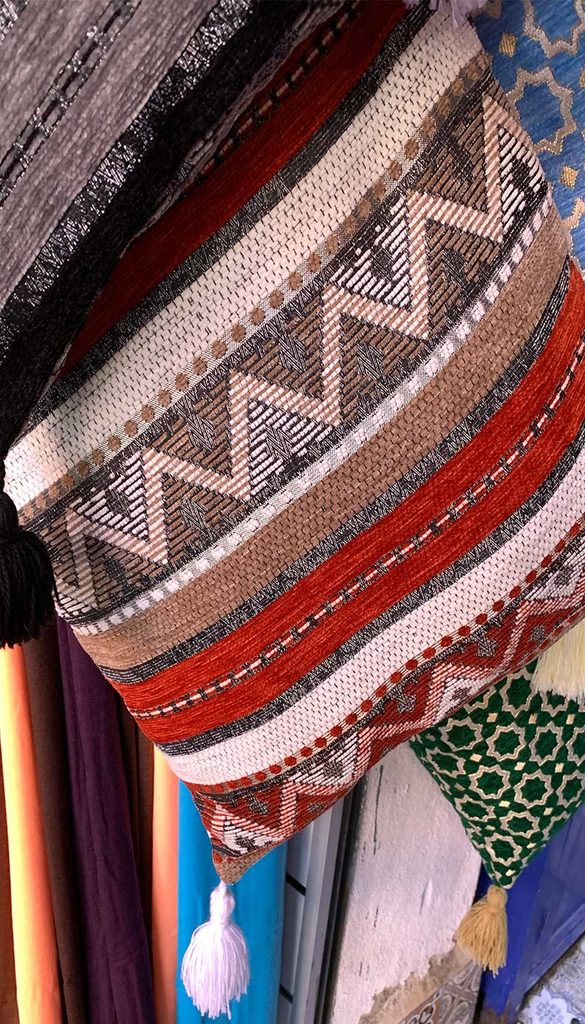
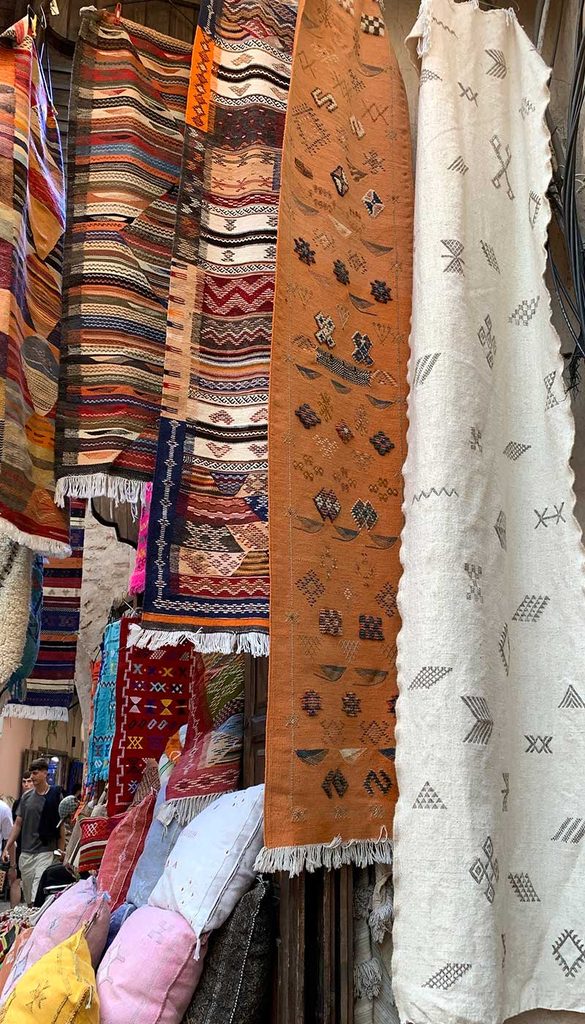
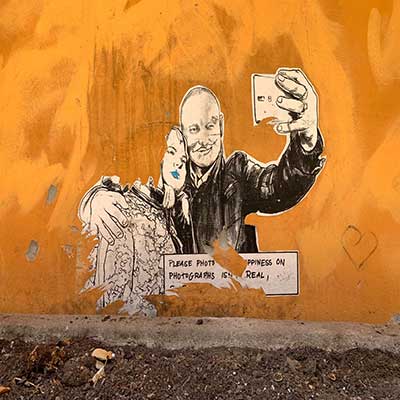
In both contexts, looking closely becomes a way of asking questions.
What can a mark tell us? What knowledge might be held in a pattern? Who is able to interpret it, and whose interpretation becomes part of the record?
Photography provides one way to investigate these questions. It allows me to document surfaces, compare visual details and return to observations over time. Yet an image cannot communicate everything. It records a visible encounter, not the entirety of the knowledge, experience or history surrounding it.
This is why my research extends beyond image-making into material culture, cultural memory and the ethics of documentation.
I am interested in the relationship between what we see and what we understand, between a visible mark and the knowledge that gives it meaning.
The work begins with observation, but it does not end there.
Two places. Different histories. One continuing question: how do we write meaning onto surfaces, and how do we learn to read what remains?

