
Research Overview: Analogue, Symbols, and Memory
My research investigates how meaning is produced through materials, processes, and symbols. Working across analogue photography, historical printing techniques, and material culture studies, I examine how visual and symbolic systems function as carriers of memory and identity.
A key methodological approach in this study is analogue photography. The use of 35 mm film introduces slowness, limitations, and intention into the research process. The delay between exposure and image allows for reflection, positioning photography as a thought practice rather than an act of immediate capture.
Historical photographic processes, such as Kallitype and cyanotype, extend this material engagement. These processes foreground chemistry, paper, light, and environmental conditions, producing images that resist standardisation. In this research, photographic prints are treated as artefacts objects shaped by their making.
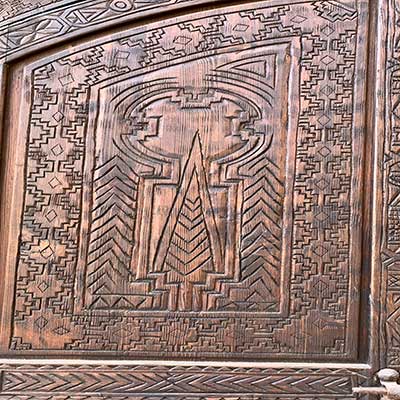
Material culture forms another central research strand, particularly the semiotic analysis of Moroccan Amazigh carpets. Through motif documentation and regional comparison, this study explores how woven symbols operate as encoded narratives linked to social structures, belief systems, and embodied knowledge. This research is further contextualised through connections with Amazigh tattoo traditions.

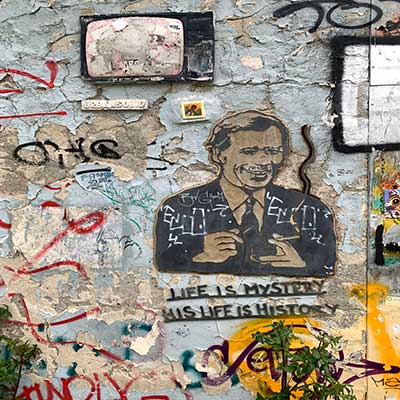
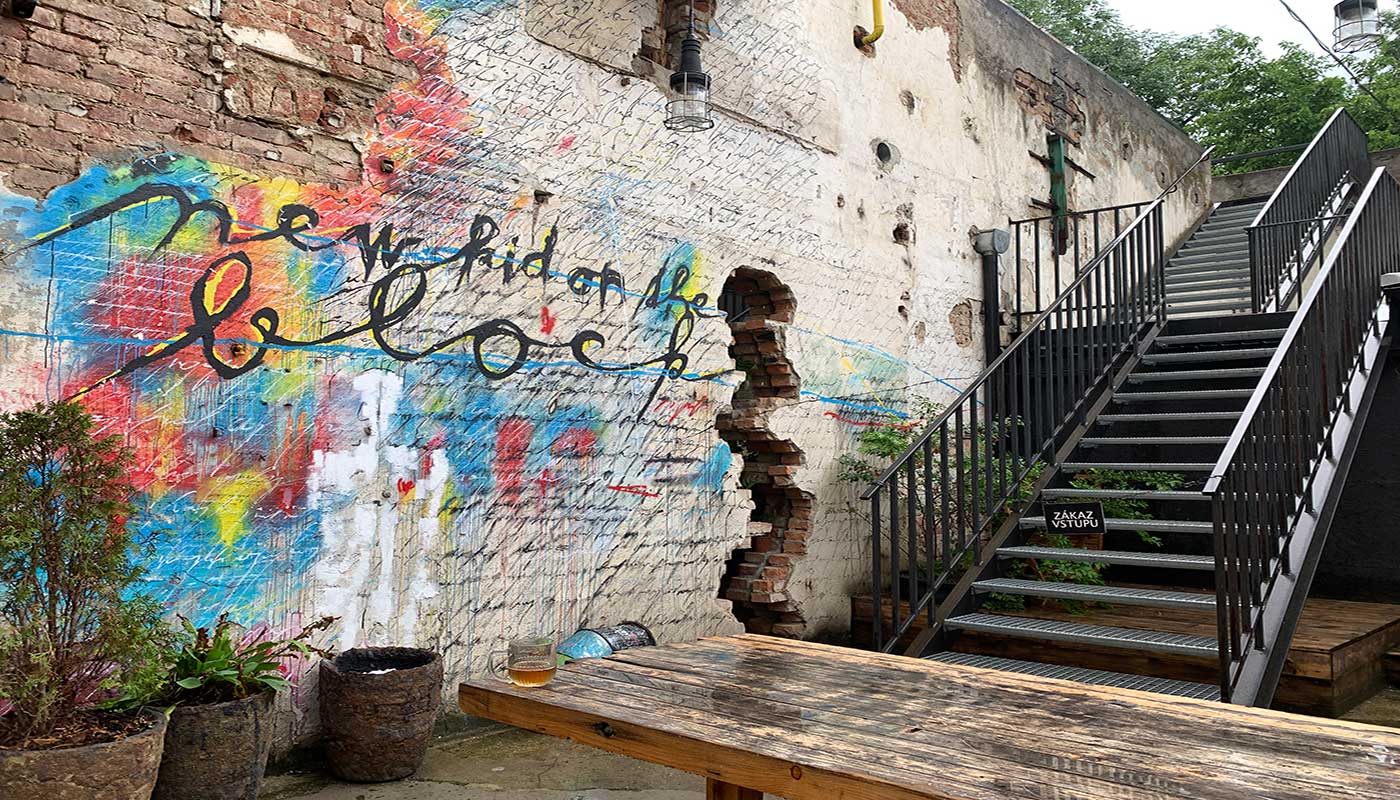
Urban space and public memory are examined through the analogue documentation of graffiti in Prague. Here, graffiti is understood as a transient symbolic language continually overwritten, revealing how public walls function as contested archives of political and cultural expression.
Together, these research strands investigate how symbols woven, printed, or painted persist, transform, and communicate across time.

