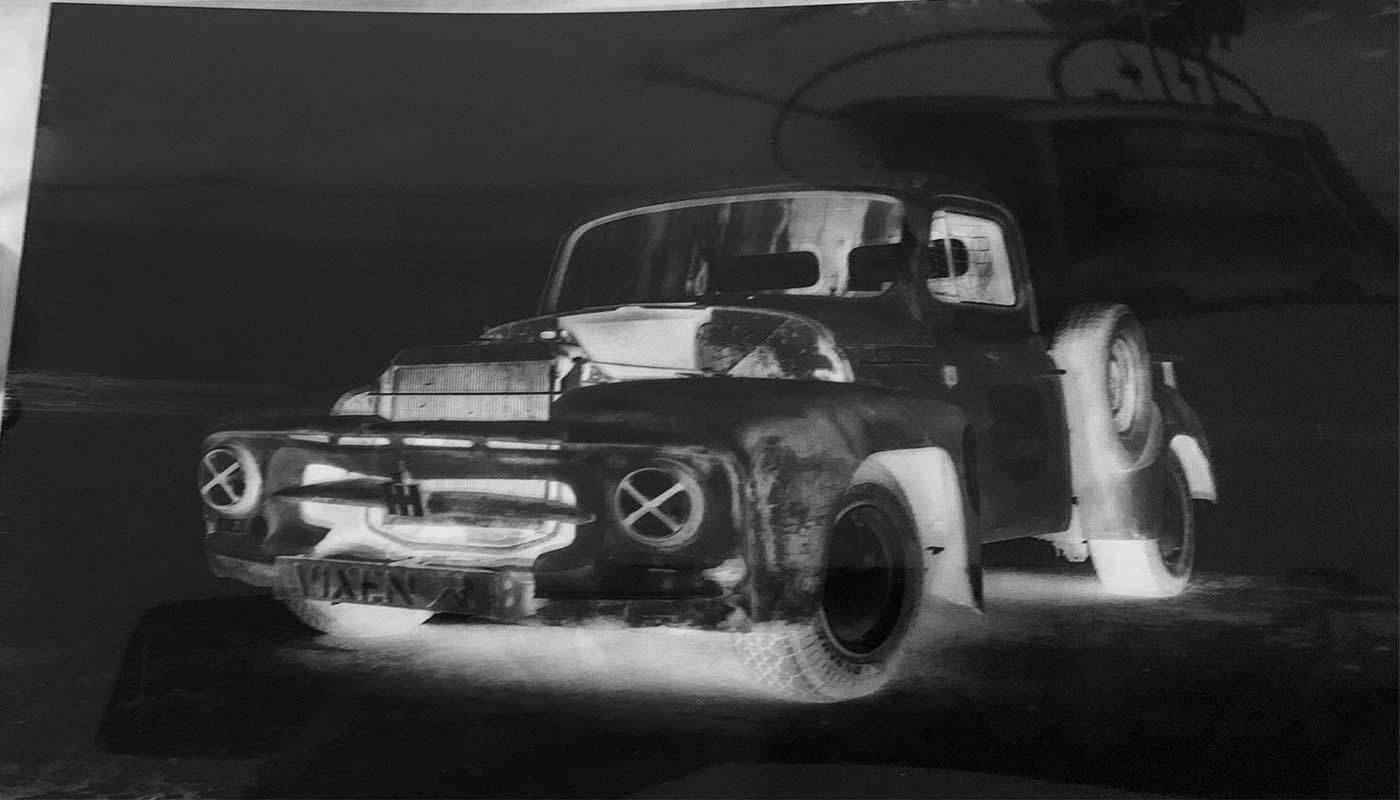
I entered photography through black-and-white documentary practice. My understanding of the medium was shaped by contact sheets, negatives, waiting, mistakes, and the strange discipline that came from knowing that every frame mattered.
Photography taught me patience.
Long before algorithms, presets and instant previews, photographs emerged slowly. A contact sheet was not simply proof that images had been taken; it was a record of thinking. Looking back now, I realise that what we learned in those spaces was not only photography. We learned attention.
Over the years, I had the privilege of teaching photography during a period of extraordinary technological change. I witnessed students move from analogue-informed processes to entirely digital workflows. The cameras became faster, software became more powerful and access to image-making expanded dramatically. Technical quality improved. Students produced work that was polished and industry-ready.
But I also became interested in a different question.
What happens to creativity when speed becomes the default?
Image Gallery
Digital photography brought remarkable possibilities. It democratised image-making and allowed students to experiment in ways that previous generations could never have imagined. Yet I sometimes found myself remembering the discipline of the darkroom, not because I wished to return to chemicals and enlargers, but because analogue processes had inadvertently taught something important: slowing down.
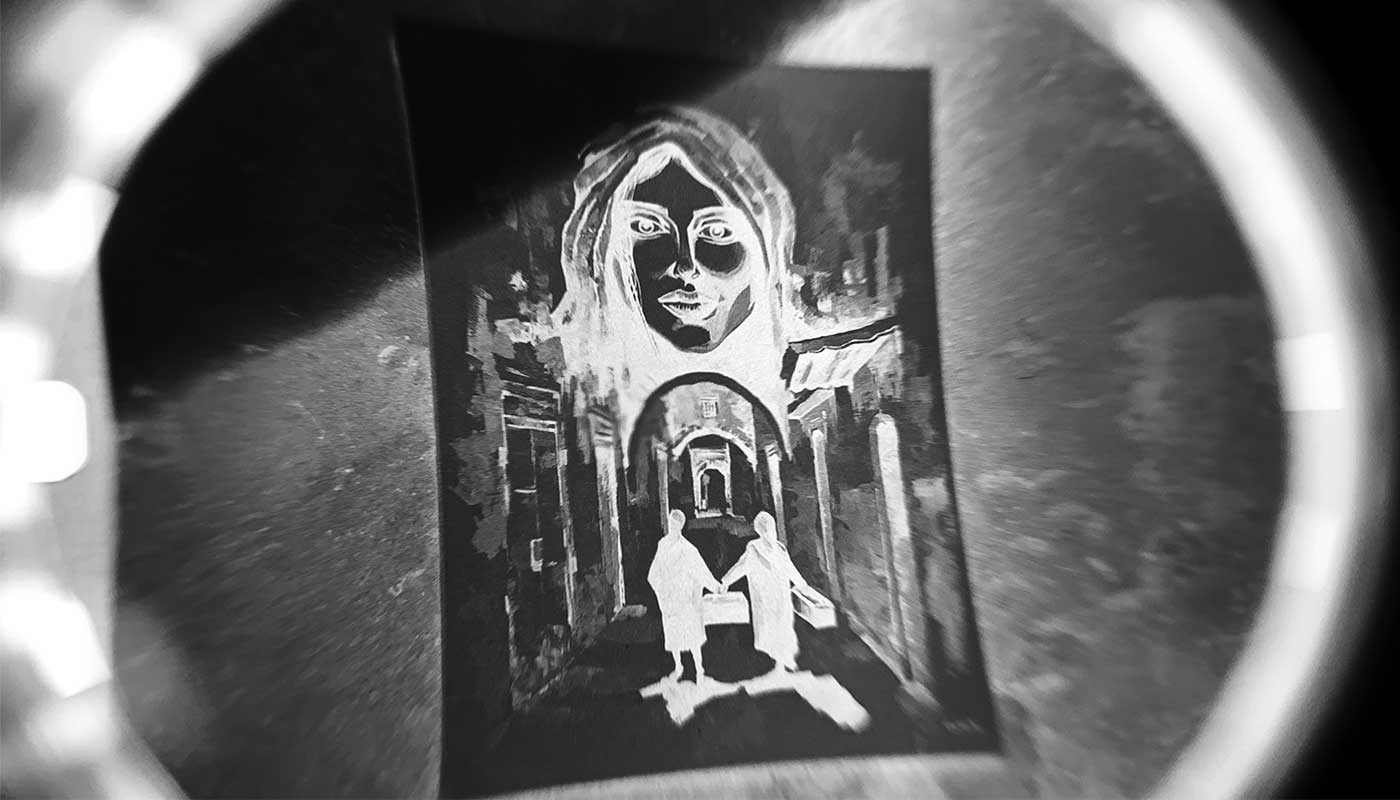
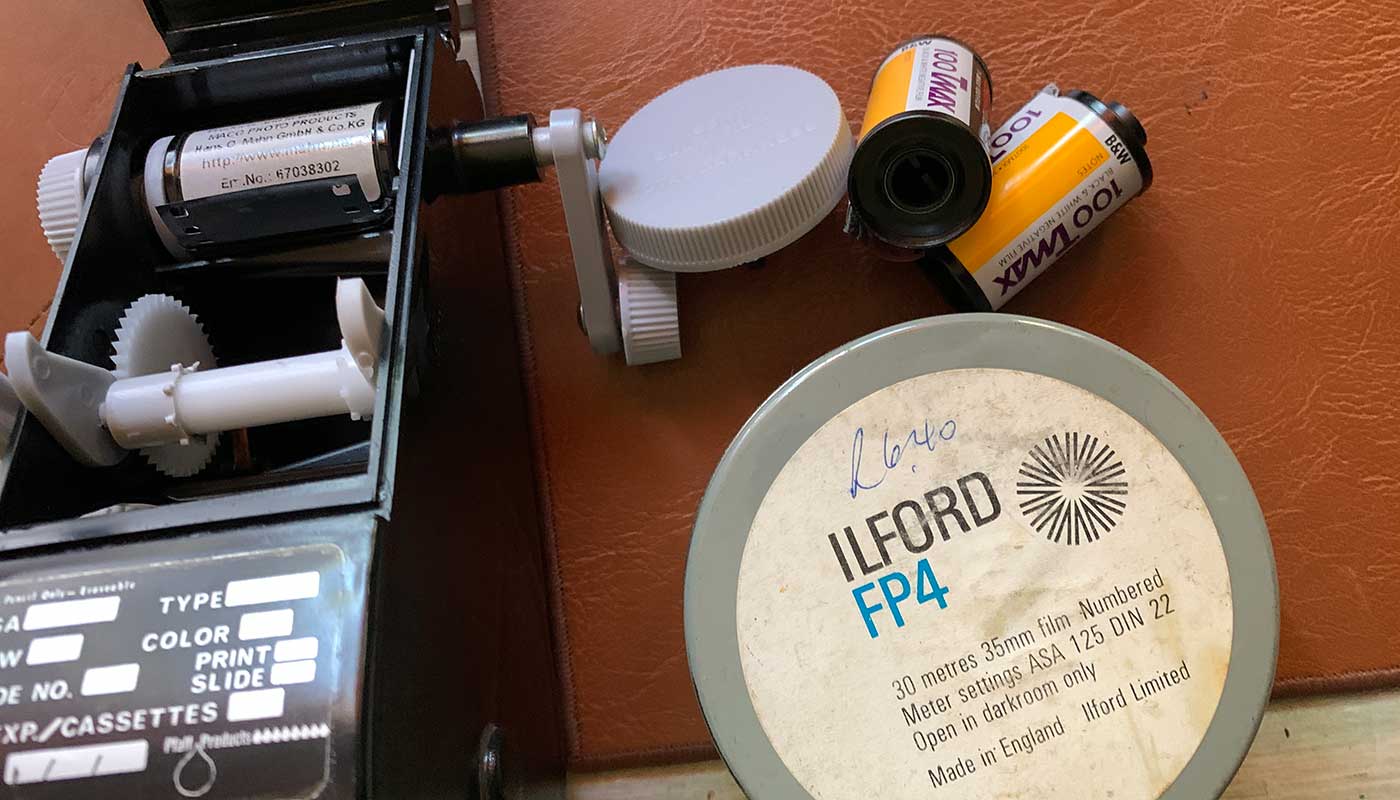
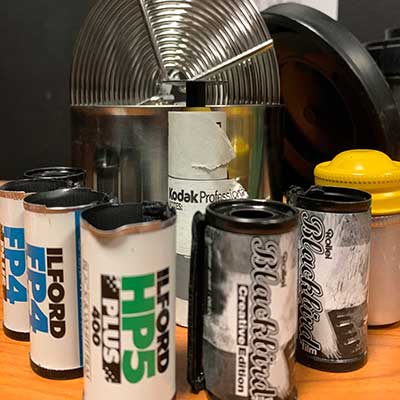
The value of black-and-white documentary photography was never nostalgia. It was observation. Documentary practice demanded patience. It required photographers to spend time with people, places and stories. It encouraged sequencing rather than isolated images and asked us to think about meaning before thinking about software. As image culture accelerated, I became increasingly interested in how creative thinking survives within digital environments.
Technology itself is not the problem. I have never believed that digital photography diminished creativity. In many ways, it expanded it. But creativity requires more than access to tools. It requires reflection. It requires critique. It requires time.
Perhaps the most important lesson I learned as an educator was that creativity does not happen accidentally. It is cultivated.
Looking back now, I realise that some of the strongest work emerged not because students had the most advanced cameras, but because they were encouraged to observe, to edit carefully, to think conceptually and to embrace uncertainty. Constraints often produced better photographs than unlimited possibilities.

Today, artificial intelligence and image-generation technologies raise new questions about authorship and creative practice. These developments are exciting, but they also remind us that observation remains a profoundly human act. Cameras may change. Software will continue to evolve. But curiosity, empathy and storytelling still sit at the heart of meaningful photography.
Photography has always been more than technology.
I no longer teach photography, but I remain deeply interested in the role that creative disciplines play within higher education and society. For me, it has always been about paying attention. And perhaps that is the lesson that remains most relevant in an age of infinite images.

